
Currently Empty: $0.00
On Sale!

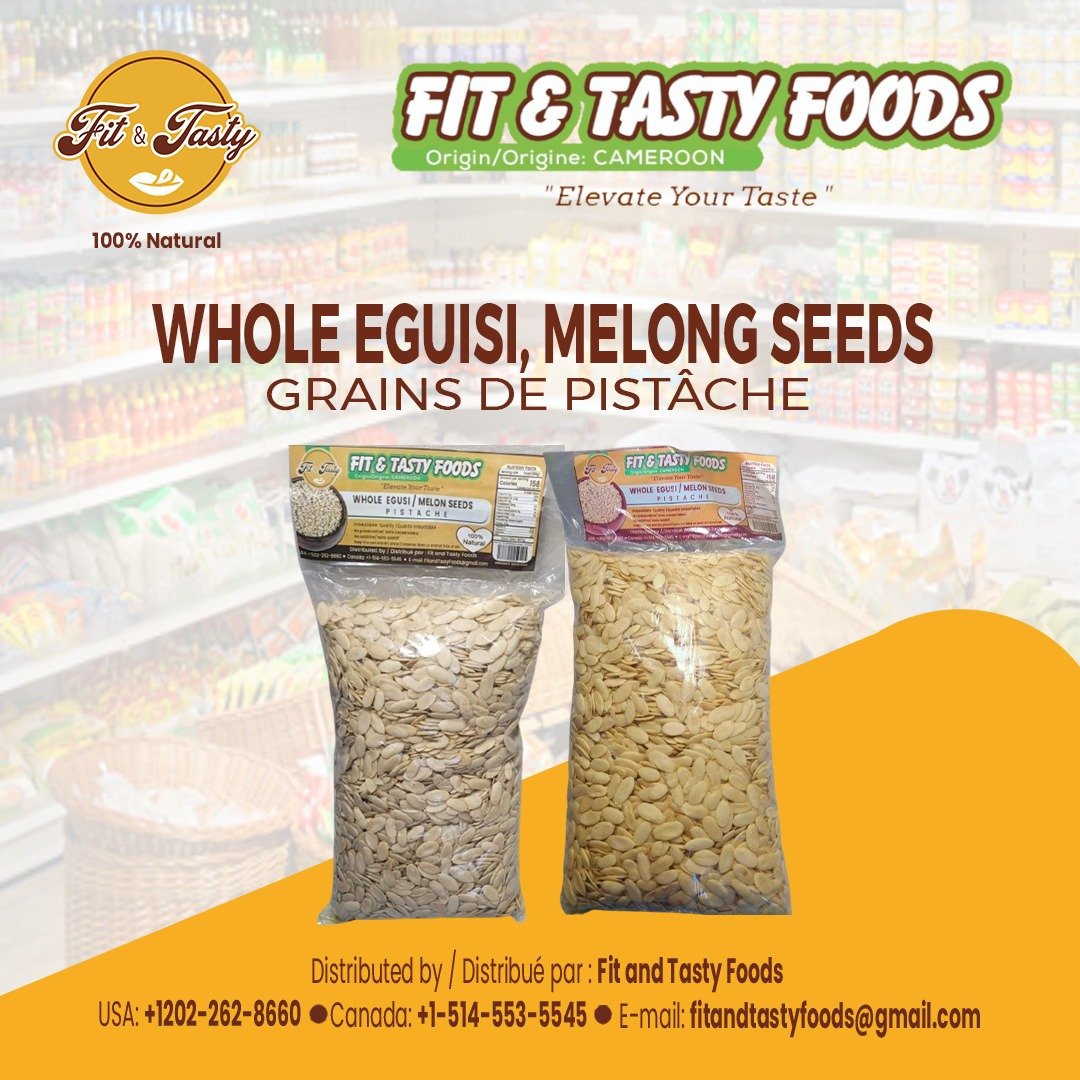
Whole Egusi Seeds: The Heart of West Africa’s Iconic Melon Seed Soup
Whole egusi seeds, also commonly known as melon seeds or gourmet pumpkin seeds, are a culinary cornerstone of West African cuisine, particularly in Nigeria, Ghana, and Cameroon. These are not typical watermelon seeds, but rather the flat, cream-colored, oil-rich seeds of specific varieties of cucurbit plants, primarily Citrullus lanatus (a type of watermelon cultivated specifically for its seeds) and Cucumeropsis mannii. Sold raw and shelled, whole egusi is the essential, unprocessed starting point for creating one of the region’s most beloved and defining dishes: Egusi Soup. Their transformation from a raw, nutty seed into a rich, thick, and hearty soup base is a fundamental culinary alchemy that defines comfort food for millions.
From Raw Seed to Culinary Gold: Processing and Flavor
In their whole, raw state, egusi seeds possess a mild, subtly sweet, and nutty flavor, reminiscent of a delicate cross between a pumpkin seed and a blanched almond. However, their true culinary magic is unlocked through intentional processing. The traditional and most revered method involves dry-roasting the seeds in a dry pan or pot over medium heat, stirring constantly until they undergo a dramatic transformation. They deepen from a pale cream to a warm golden or light brown hue, releasing an irresistible warm, toasty, and profoundly nutty aroma that fills the kitchen. This crucial step does more than just toast; it intensifies their inherent nuttiness, adds a layer of complex savoriness, and removes any residual raw edge.
Once cooled, the roasted seeds are then ground. This can be done to varying consistencies using a traditional mortar and pestle, a dedicated spice grinder, or a modern food processor. A fine powder creates a smooth, cohesive, and thick paste that yields a uniform, velvety soup texture. A coarser grind provides delightful, grainy textural bites throughout the stew, which many enthusiasts prefer. This ground egusi paste is what forms the thick, porridge-like, and hearty body of the iconic soup. An alternative method involves blending the raw seeds directly with water to create a smooth paste, which is then cooked, offering a slightly lighter, fresher flavor profile.
The resulting flavor of prepared egusi is deeply comforting and savory—earthy, robustly nutty, and richly satisfying, with a unique, almost sponge-like ability to absorb and harmonize with the bold flavors of other soup components like smoked fish, pungent crayfish, and aromatic spices. It acts as both a primary flavor agent and a powerful natural thickener, creating the soup’s signature, scoopable consistency that is traditionally enjoyed with “swallows” like pounded yam, fufu, or eba.
Culinary Role, Variations, and Nutritional Power
Egusi Soup is the undisputed star application, a versatile dish with countless regional and family variations. The core process remains sacred: the prepared ground egusi is added to a sizzling, flavorful pot of red palm oil, rich stock, and a robust base of blended peppers, onions, and tomatoes. It is then simmered to perfection, often generously loaded with leafy vegetables (like bitter leaf, spinach, or ugu), and a medley of proteins such as beef, goat, assorted fish, dried crayfish, or stockfish. The egusi miraculously thickens the broth into a satisfying, substantial stew.
Beyond the classic soup, innovative uses for whole egusi seeds are emerging:
As a Garnish: Lightly toasted whole seeds can be sprinkled over finished soups, salads, or even rice dishes for an elegant, nutty crunch.
In Baked Goods and Bars: Finely ground egusi flour can be innovatively incorporated into bread, muffins, or energy bars, adding a boost of plant-based protein, healthy fats, and a unique, nutty flavor.
Egusi Pudding: Finely ground egusi can be mixed with peppers, oil, and spices, then steamed into a savory, protein-rich pudding, offering a delightful alternative to bean-based moin moin.
Whole egusi seeds are a formidable nutritional powerhouse. They are an excellent source of plant-based protein, healthy fats (including beneficial omega-6 fatty acids), magnesium, iron, zinc, and B vitamins. This makes the resulting soup not only deeply soul-warming but also a highly nourishing and balanced meal. When purchasing, select seeds that are uniformly cream-colored, free of debris or mold, and smell clean and pleasantly nutty. Due to their high oil content, they should be stored in an airtight container in a cool, dark pantry, or refrigerated to prevent rancidity and preserve freshness.
Mastering the preparation of whole egusi is the key to achieving authentic flavor and texture in West African cooking. For detailed, step-by-step recipes, expert techniques for roasting and grinding, and inspiring regional variations on the iconic Egusi Soup, Fit and Tasty Foods is an invaluable resource. Their comprehensive guides help demystify the entire process, ensuring you can confidently prepare this soul-warming, traditional dish to perfection in your own home. See more on their platform to explore the full, delicious potential of this essential West African ingredient.
100 in stock
Delivery and return
Delivery and return
| Standard Delivery (Signed for) | Delivered within 3-5 working days |
| Express Delivery (Standard Parcels) | Delivered within 1-2 working days |
| Extra-Large Parcels (Signed for) | Delivered within 3-5 working days |
| Furniture | Delivery usually takes place within 2 weeks. |
Shipping Information
Shipping Information
Free Shipping
Decor Outdoor offers free regular shipping on all orders shipped to residential or commercial addresses within the contiguous United States. Orders are delivered Monday through Friday (excluding holidays).Drop Shipping
We are an online-only luxury furniture and lighting boutique, and do not have a warehouse. Consequently, all orders are drop shipped directly from our manufacturers to your door. If your order includes items from more than one manufacturer, you will receive multiple deliveries. Because we are dependent on the on-hand inventory of our manufacturing partners, some items listed on our site may not actually be available right away. Please call us at 888.784.4644 or via our contact form with any stocking questions and we'll get in touch with the appropriate manufacturer for answers, before you place your order.Ground Shipping
Small parcel items ship regular ground via delivery services such as FedEx, UPS or DHL. Orders typically take 2-3 business days to process and in-stock items will usually be delivered 3-5 days from the date that they ship (depending on origin and destination). If there is a delay, you will be notified by email. No signature is required for standard ground shipping, so you may want to make arrangements to have packages brought inside soon after delivery, if you are unable to receive it in person.Composition and care
Composition and care
We speak a lot about the importance of gut health—not only for beauty—but also in terms of our overall health, wellbeing and immunity. But before we can fully understand why the gut is so integral to our health, it’s first essential to learn more about the physiology of the gut itself—and how it works.
Description
Whole Egusi Seeds: The Heart of West Africa’s Iconic Melon Seed Soup
Whole egusi seeds, also commonly known as melon seeds or gourmet pumpkin seeds, are a culinary cornerstone of West African cuisine, particularly in Nigeria, Ghana, and Cameroon. These are not watermelon seeds, but rather the flat, cream-colored, oil-rich seeds of specific varieties of cucurbit plants, primarily Citrullus lanatus (a type of watermelon cultivated for its seeds) and Cucumeropsis mannii. Sold raw and shelled, whole egusi is the essential, unprocessed starting point for creating one of the region’s most beloved and defining dishes: Egusi Soup. Their transformation from a raw, nutty seed into a rich, thick, and hearty soup base is a process central to the culinary tradition.
From Raw Seed to Culinary Gold: Processing and Flavor
In their whole, raw state, egusi seeds have a mild, slightly sweet, and nutty flavor, reminiscent of a cross between a pumpkin seed and an almond. Their magic, however, is unlocked through processing. The traditional and most common method involves dry-roasting the seeds in a pan until they deepen in color and release a warm, toasty aroma. This crucial step intensifies their nuttiness and removes any raw edge. Once cooled, the roasted seeds are then ground. This can be done to varying consistencies: a fine powder creates a smooth, thick paste, while a coarser grind provides more texture. This ground egusi forms the thick, porridge-like body of the soup. Alternatively, seeds can be blended raw with water to create a smooth paste used directly in cooking.
The flavor of prepared egusi is deeply comforting and savory—earthy, nutty, and rich, with a unique ability to absorb and complement the bold flavors of the other soup components. It acts as both a primary flavor agent and a powerful natural thickener, creating the soup’s signature, hearty consistency that is typically eaten with “swallows” like pounded yam, fufu, or eba.
Culinary Role and Variations
Egusi Soup is the undisputed star application. It is a versatile dish with countless regional and family variations, but the core process remains: the ground egusi is added to a flavorful pot of red palm oil, stock, and a base of blended peppers, onions, and tomatoes. It is then simmered, often with hearty additions like leafy vegetables (bitter leaf, spinach, or ugu), and proteins such as beef, goat, fish, crayfish, or stockfish. The egusi thickens the broth into a satisfying, scoopable stew.
Beyond the classic soup, whole egusi seeds have other uses:
As a Garnish: Lightly toasted whole seeds can be sprinkled over finished soups or salads for a nutty crunch.
In Baked Goods: Ground egusi can be incorporated into bread, muffins, or energy bars, adding protein, healthy fats, and a unique flavor.
Egusi Pudding (Moin Moin): Finely ground egusi can be mixed with peppers, oil, and spices, then steamed into a savory, protein-rich pudding, similar to bean-based moin moin.
Nutritional Powerhouse and Selection
Whole egusi seeds are a nutritional treasure. They are an excellent source of plant-based protein, healthy fats (including omega-6), magnesium, iron, zinc, and B vitamins. This makes the resulting soup not only deeply satisfying but also highly nourishing. When purchasing, look for seeds that are uniformly cream-colored, free of debris, and smell clean and nutty. They should be stored in an airtight container in a cool, dark place, or refrigerated to prevent their high oil content from turning rancid.
Mastering the preparation of whole egusi is key to achieving authentic flavor and texture in West African cooking. For detailed, step-by-step recipes, techniques for roasting and grinding, and inspiring variations on the iconic Egusi Soup, Fit and Tasty Foods is an invaluable resource. Their guides help demystify the process, ensuring you can confidently prepare this soul-warming, traditional dish at home. see more
Additional information
| Weight | 12 lbs |
|---|---|
| Dimensions | 7 × 8 × 20 in |
| 32 oz / 907g | Whole egusi, Melong Seeds |
| 16 oz / 454g | Whole egusi, Melong Seeds |



Duis aute irure dolor in reprehenderit in voluptate velit esse cillum dolore eu fugiat nulla pariatur. Excepteur sint occaecat cupidatat non proident, sunt in culpa qui officia deserunt mollit anim id est laborum. S totam rem aperiam, eaque ips