
Currently Empty: $0.00
On Sale!


Akpi / Djansan / Odevi / Munguella: The West & Central African Umami Kernel
Tucked away within the large, woody pods of the Ricinodendron heudelotii tree lies a culinary secret central to West and Central African cuisine: the Akpi kernel. Known by a symphony of names including Djansan (Nigeria, Cameroon), Odevi (Benin), Essessang or Munguella (Angola), and Okhuen (Edo), these small, dark, oil-rich seeds are not merely a spice or a nut, but a foundational flavoring agent. Revered for their unparalleled ability to impart a deep, savory, and slightly bitter umami richness, they are the indispensable, earthy backbone of countless traditional soups, stews, and sauces. To understand these dishes without Akpi is to miss their foundational soul—this kernel provides the complex, resonant depth that defines them.
Appearance, Processing, and Flavor Profile
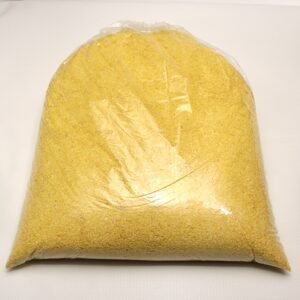
Raw Akpi kernels are small, flat, oval, and dark brown, encased in a hard shell that is typically removed before sale. Their remarkably high oil content is key to their culinary function. Crucially, to unlock their complex flavor and render them safe for consumption, they must be cooked and processed; they are never eaten raw. The traditional preparation is a labor of love and knowledge: the kernels are first roasted, dried, or boiled. This crucial heat treatment neutralizes certain compounds and begins developing flavor. They are then painstakingly pounded in a mortar or ground into a smooth, dark, oily paste or a fine powder.
This transformative process is where the magic happens. It mellows the kernel’s inherent sharp bitterness and coaxes out a profoundly savory, smoky, and nutty aroma—a unique scent often described as a cross between roasted pumpkin seeds, bitter almonds, and sun-dried mushrooms. The resulting paste is the chef’s ingredient. Its flavor is bold and assertive: earthy, deeply umami, with a lingering bitter-sweet note that acts as both a powerful flavor amplifier and a natural thickening agent. A single tablespoon can define the entire character of a large pot, demonstrating its extraordinary potency.
Culinary Applications: The Heart of the Pot
Akpi’s primary role is as the soul of hearty, often oil-based soups and stews, particularly those featuring robust proteins. It is the defining ingredient that separates an authentic version from a mere imitation.
Nigerian & Cameroonian Soups: It is absolutely essential for iconic dishes. In Ogbono Soup, it is frequently combined with ground ogbono (Irvingia gabonensis, or “wild mango” seeds) to create the soup’s signature slimy, rich texture and deep flavor. In Egusi Soup (melon seed soup), Akpi paste adds a necessary bitter counterpoint to the sweetness of the melon seeds. It is also fundamental in Afang Soup and Edikang Ikong, providing the earthy base note that balances the sharpness of leafy vegetables and the heat of peppers.
Central African Stews: In Angolan and Congolese cuisine, Munguella is used to prepare rich, red palm oil-based stews with fish or meat, contributing its signature bitterness and complexity, creating a layered flavor profile distinct from other thickeners.
As a Flavor Paste: The prepared paste can be mixed directly with chopped peppers, onions, and spices to create a potent marinade or cooking base for meats and fish, infusing them with its distinctive essence from the very start of cooking.
Nutritional Value, Safety, and Cultural Significance
Beyond flavor, Akpi kernels are nutrient-dense, providing healthy fats, protein, and essential minerals. In many communities, the tree and its seeds hold deep socio-cultural importance, featured in traditional ceremonies and valued as a source of both sustenance and traditional medicine, sometimes used for its believed therapeutic properties.
A critical note on safety cannot be overstated: Proper preparation is non-negotiable. Consuming raw or underprocessed kernels can cause severe digestive distress due to naturally occurring compounds. Always ensure they are thoroughly cooked—typically boiled or roasted and then finely ground—before use. This respect for the ingredient’s power is part of the traditional wisdom surrounding it.
Mastering the use of Akpi/Djansan is the key to achieving the authentic, profound depth of flavor in these beloved West and Central African dishes. For detailed, safe preparation methods and authentic recipes that showcase how to harness this powerful kernel, Fit and Tasty Foods is an invaluable resource. Their expert guides demystify its use, providing clear instructions for turning the raw seed into the cherished paste and incorporating it into classic dishes, ensuring you can confidently bring this essential, earthy taste of tradition to your kitchen. See more on their platform for step-by-step recipes that honor this foundational ingredient.
100 in stock
Delivery and return
Delivery and return
| Standard Delivery (Signed for) | Delivered within 3-5 working days |
| Express Delivery (Standard Parcels) | Delivered within 1-2 working days |
| Extra-Large Parcels (Signed for) | Delivered within 3-5 working days |
| Furniture | Delivery usually takes place within 2 weeks. |
Shipping Information
Shipping Information
Free Shipping
Decor Outdoor offers free regular shipping on all orders shipped to residential or commercial addresses within the contiguous United States. Orders are delivered Monday through Friday (excluding holidays).Drop Shipping
We are an online-only luxury furniture and lighting boutique, and do not have a warehouse. Consequently, all orders are drop shipped directly from our manufacturers to your door. If your order includes items from more than one manufacturer, you will receive multiple deliveries. Because we are dependent on the on-hand inventory of our manufacturing partners, some items listed on our site may not actually be available right away. Please call us at 888.784.4644 or via our contact form with any stocking questions and we'll get in touch with the appropriate manufacturer for answers, before you place your order.Ground Shipping
Small parcel items ship regular ground via delivery services such as FedEx, UPS or DHL. Orders typically take 2-3 business days to process and in-stock items will usually be delivered 3-5 days from the date that they ship (depending on origin and destination). If there is a delay, you will be notified by email. No signature is required for standard ground shipping, so you may want to make arrangements to have packages brought inside soon after delivery, if you are unable to receive it in person.Composition and care
Composition and care
We speak a lot about the importance of gut health—not only for beauty—but also in terms of our overall health, wellbeing and immunity. But before we can fully understand why the gut is so integral to our health, it’s first essential to learn more about the physiology of the gut itself—and how it works.
Description
Akpi /Djansan/Odevi/ Munguella / Esses: The West & Central African Umami Kernel
Tucked away within the large, woody pods of the Ricinodendron heudelotii tree lies a culinary secret central to West and Central African cuisine: the Akpi kernel. Known by a symphony of names including Djansan (Nigeria, Cameroon), Odevi (Benin), Essessang or Munguella (Angola), and Okhuen (Edo), these small, dark, oil-rich seeds are not merely a spice or a nut, but a foundational flavoring agent. Revered for their unparalleled ability to impart a deep, savory, and slightly bitter umami richness, they are the indispensable, earthy backbone of countless traditional soups, stews, and sauces.
Appearance, Processing, and Flavor Profile
Raw Akpi kernels are flat, oval, and dark brown, encased in a hard shell typically removed before sale. They possess a remarkably high oil content. To unlock their complex flavor and render them safe for consumption, they must be cooked. They are never eaten raw. The traditional preparation involves roasting, drying, or boiling the kernels, followed by pounding or grinding into a smooth, dark paste or powder. This transformative process mellows their inherent bitterness and develops a profoundly savory, smoky, and nutty aroma reminiscent of a cross between roasted pumpkin seeds, bitter almonds, and sun-dried mushrooms.
The resulting paste is what chefs and home cooks incorporate into dishes. Its flavor is bold and assertive—earthy, deeply umami, with a lingering bitter-sweet note—acting as a flavor amplifier and thickener. A small amount is extraordinarily potent, capable of defining the entire character of a dish.
Culinary Applications: The Heart of the Pot
Akpi’s primary role is as the soul of hearty, often oil-based soups and stews, particularly those featuring game, bushmeat, or robust fish. It is the defining ingredient that creates authenticity.
Nigerian & Cameroonian Soups: It is absolutely essential for iconic dishes like Ogbono Soup (where it is combined with Irvingia gabonensis, or “wild mango” seeds), Egusi Soup (melon seed soup), and Afang Soup. Here, the Akpi paste thickens the broth and provides the deep, bass-note flavor that balances the sharpness of leafy vegetables and the heat of peppers.
Central African Stews: In Angolan and Congolese cuisine, Munguella is used to prepare rich, red palm oil-based stews with fish or meat, contributing its signature bitterness and complexity.
As a Flavor Paste: The prepared paste can be mixed with peppers, onions, and spices to create a marinade or base for cooking meats and fish, infusing them with its distinctive essence from the core.
Nutritional Value and Cultural Significance
Beyond flavor, Akpi kernels are nutrient-dense, providing healthy fats, protein, and essential minerals. In many communities, the tree and its seeds hold socio-cultural importance, featured in traditional ceremonies and valued as a source of both food and traditional medicine, sometimes used for its believed purgative or therapeutic properties.
A critical note on safety: Proper preparation is non-negotiable. Consuming raw or underprocessed kernels can cause severe digestive distress due to naturally occurring compounds. Always ensure they are thoroughly cooked—typically boiled or roasted and then finely ground—before use.
Mastering the use of Akpi/Djansan is key to achieving the authentic, profound depth of flavor in these beloved West and Central African dishes. For detailed, safe preparation methods and authentic recipes that showcase how to harness this powerful kernel, Fit and Tasty Foods is an invaluable resource. Their expert guides demystify its use, ensuring you can confidently bring this essential taste of tradition to your kitchen. see more
Additional information
| Weight | 12 lbs |
|---|---|
| Dimensions | 7 × 8 × 21 in |
| 8 oz / 227g | Akpi /Djansan/Odevi/ Munguella / Esses |






There are no reviews yet.