
Currently Empty: $0.00
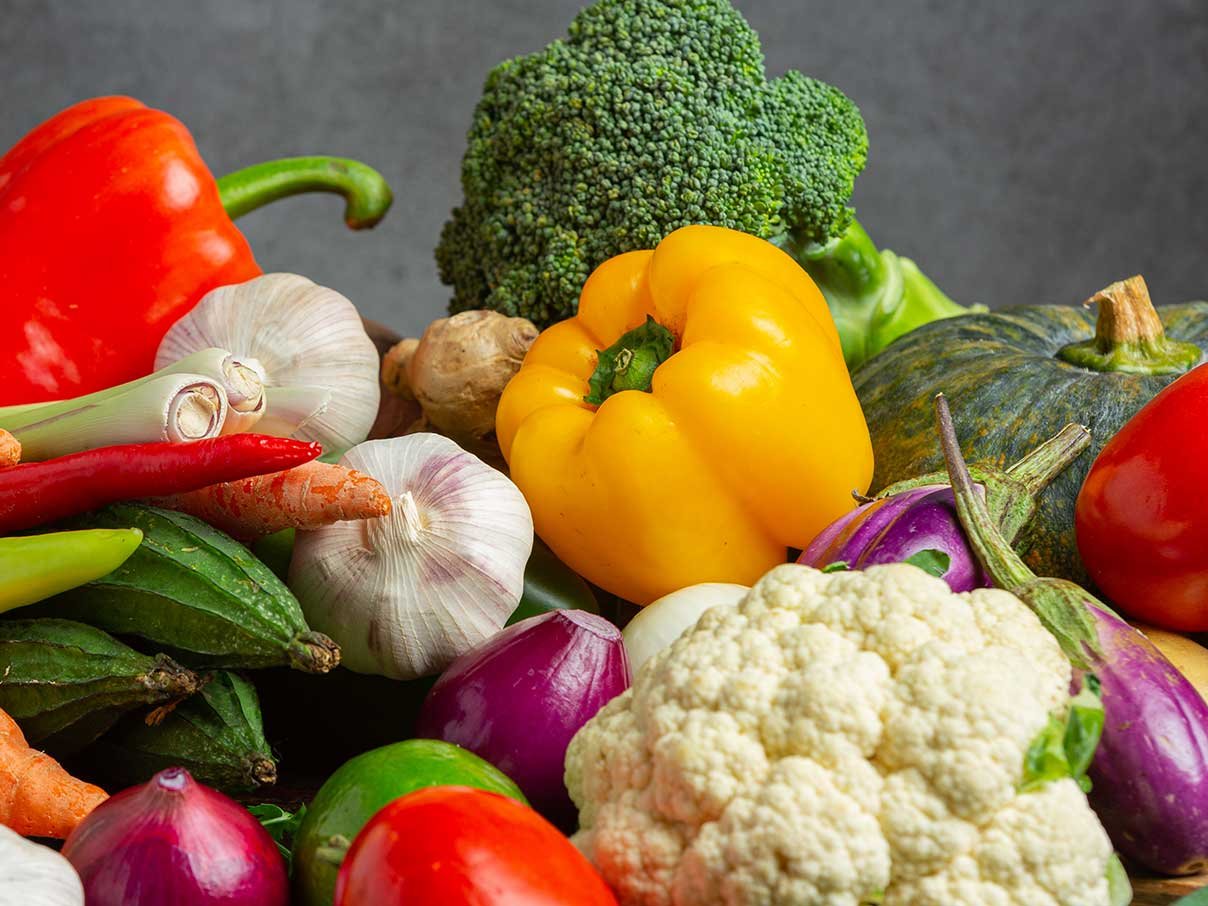
Have you ever planted a tomato, harvested it, and then watched the plant die at the end of the season? For most of our food, that’s the annual cycle: plant, harvest, replant. It’s the basis of modern agriculture, but it’s also incredibly demanding.
Now, imagine a different kind of crop. One you plant once, and it comes back year after year, for decades. This isn’t science fiction; these are perennial vegetables and future food crops, and they might just hold a key to a more resilient food system.
Perennials—like asparagus, artichokes, rhubarb, or the lesser-known sea kale and perennial kale—have deep, extensive root systems. These roots do three critical things:
- They fight climate change by sequestering more carbon in the soil.
- They build resilience by reaching water and nutrients deeper in the ground, making them more drought-tolerant.
- They protect the soil from erosion, reducing the need for tilling and chemical inputs.
But the future goes beyond our garden veggies. We’re looking at revolutionary perennial grains, like Kernza®, developed from intermediate wheatgrass. Imagine a field of grain that doesn’t need to be replanted every year. It’s a paradigm shift from « disturb and control » to « collaborate and sustain. »
“I live in a craftsman house, but I’m a big fan of modernist and mid-century furniture and architecture, too. But my dream is to do a truly original chair design, something that is all these different things but is my own, too.”
You Can Buy For Less Than A College Degree
So, why aren’t these everywhere? Because our entire system—from farm machinery to supply chains—is built for annuals. Perennials often trade maximum single-year yield for long-term stability, which is a different kind of value.
In conclusion, shifting some of our focus to perennial crops isn’t about replacing all our annuals. It’s about diversification. It’s about building a food landscape that works more like a natural ecosystem: regenerative, resilient, and rooted for the long term. Investing in these future foods is an investment in the very foundation of our future sustenance.
Thank you
